Reducing R&D Costs with Organ-on-Chip Technology
A Smarter Alternative to Animal Testing and Conventional In Vitro Models
Source:
1. Nora Franzen et al., Impact of organ-on-a-chip technology on pharmaceutical R&D costs, Elsevier.
Introduction
Developing a new drug is one of the most expensive and risky innovation processes in the world. On average, it costs $660 million to $2.7 billion ¹ to bring a single compound to market. The biggest driver of this cost is failure: animal studies and traditional cell cultures often mispredict human outcomes, leading to expensive late-stage trial setbacks.
Organ-on-chip (OOC) technology offers a smarter solution. By recreating human organ function with unprecedented accuracy, OOC helps pharmaceutical companies reduce costly failures, shorten timelines, and decrease reliance on animal testing.
Why Traditional Models Fall Short
1. Animal Testing
• Expensive: Maintaining colonies, regulatory compliance, and long study timelines.
• Unreliable: Nearly 50% of Phase II failures are due to lack of efficacy and 15–25%
due to safety issues — despite encouraging animal results.
• Impact: Late-stage failures can cost hundreds of millions per candidate.
2. Conventional In Vitro Models
• Cheaper than animals but limited to flat, 2D cell cultures.
• Lack complexity: They fail to capture real human biology, leading to false positives/negatives.
• Downstream effect: Weak candidates move forward unnecessarily, wasting time and resources.
How Organ-on-Chip Cuts Costs
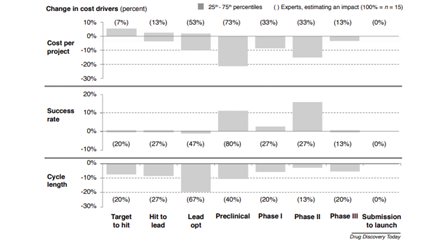
- Direct cost savings: Experts estimate 10–26% lower R&D costs ¹ — up to $706 million saved per drug¹.
- Fewer failures: Better predictive accuracy means fewer compounds enter costly animal and human trials.
- Time efficiency: Preclinical and lead optimization phases can be shortened by up to 19%, accelerating time-to-market.¹
- Ethical benefits: Supports the 3Rs principle (Replace, Reduce, Refine) with significantly less animal use.
Conclusion
Organ-on-chip technology is transforming drug development economics. By offering more predictive, human-relevant data at a lower cost, it helps pharmaceutical and biotech companies:
- Cut 10–26% of R&D expenditures¹
- Save up to 19% of preclinical development time¹
- Improve success rates from discovery to clinical trials
- Reduce reliance on animal testing while enhancing translational relevance
For organizations seeking cost-efficient, ethical, and scientifically advanced R&D strategies,
organ-on-chip is no longer optional — it’s a competitive necessity. Source: Nora Franzen et al., Impact of organ-on-a-chip technology on pharmaceutical R&D costs, Elsevier.